Modern dentistry has developed 3 types of dental implants, best known for their long endurance, high success rate and overall reliability.
Depending on your circumstances, one type might be better than the other. The decision is yours, but we advise you to pay careful attention to your dentist’s recommendations:
1. Endosteal Implants
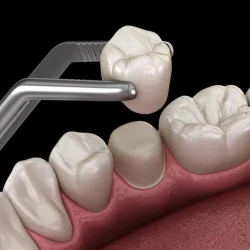
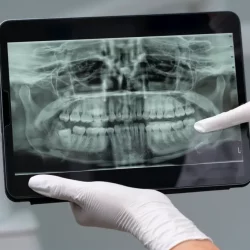
The world ‘endosteal’ means ‘inside the bone’. This refers to its integration inside the jawbone, working as a natural root for prosthetic crowns. Endosteal implants are the preferred option for patients having enough jawbone to hold them in place.
2. Subperiosteal Implants
Subperiosteal implants are the best alternative for patients lacking enough jawbone to ensure the solidity of endosteal. Subperiosteal implants are dug in the middle layer between the bone and the mucous membrane.
3. Zygomatic Implants
Zygomatic implants are a subtype of endosteal. They constitute another feasible alternative for patients lacking sufficient bone. This is because they are much longer than the standard endosteal and can be solidly implanted in the upper jaw bone (zygoma).